
Nature didn't design us to live on ready-made meals packed with artificial preservatives and chemicals. For most of human history, our ancestors lived in symbiosis with the natural world, and our bodies are still wired for real, whole food. The principle is simple: eat more “living food” and less “dead food.” That means leaning into vegetables and fruits in a wide range of colors and ideally in season, along with herbs, seaweeds, mushrooms, sprouted nuts and seeds, living yogurts, cultured vegetables, free-range eggs, and wild fish and game. Here are ten swaps you can make to move your whole family toward better health.

Living food
Colorful seasonal produce, herbs, sprouted nuts and seeds, and cultured vegetables.
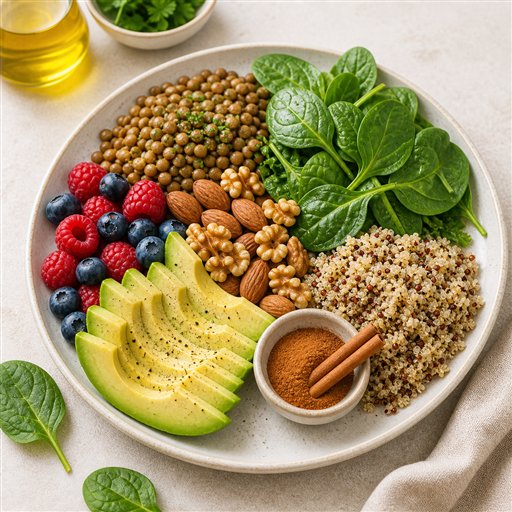
Steady blood sugar
Lower-glycemic foods, paired with healthy fats and proteins, smooth out the highs and lows.
Fewer chemicals
Organic, additive-free choices ease the burden on hormones and the liver.
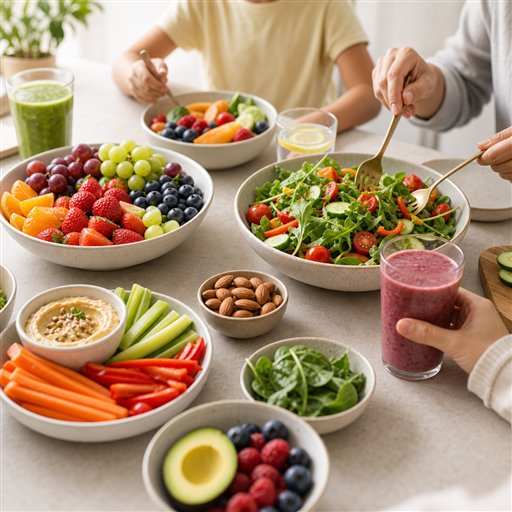
Whole-family wins
Habits built around real food pay off in energy, mood, and long-term health.
1. Choose organic where you can
Organic fruits and vegetables tend to carry more vitamins and minerals than their conventional counterparts, especially when picked ripe and grown locally. They're also safer to eat, since they're grown without chemical fertilizers, pesticides, or genetically modified organisms — substances linked to disruption of our hormones and reproductive health, and to extra strain on the liver. You don't have to buy everything organic; use the Dirty Dozen list as a guide to prioritize the produce that matters most.
2. Get yourself a juicer and a blender
A juicer and a blender are two of your best friends in the kitchen. Picture coming home from work hungry and a little lethargic. Instead of reaching for a packet of chips, you could blend a quick juice or smoothie loaded with vitamins, minerals, and enzymes — an instant meal that delivers exactly what your cells are craving.
3. Step away from gluten-containing grains
Gluten is a protein found in most grains, including wheat, rye, barley, spelt, and kamut. Gluten allergy (known as Coeliac Disease) and gluten intolerance are becoming increasingly common, and even people without a diagnosed sensitivity often feel better avoiding it. Gluten can irritate and damage the intestinal lining, triggering inflammation, immune reactions, and contributing to “leaky gut.” Traditional preparation — soaking grains for at least 12 hours and using sourdough leavening — breaks down some of the gluten and makes them gentler on the body. Where possible, lean on naturally gluten-free grains, properly prepared, so you can still enjoy pancakes, crackers, and cookies.
4. Cut back on processed, sugary products
Too much sugar and refined carbohydrate sends blood sugar on a roller coaster of highs and lows, fueling mood swings and cravings when it isn't balanced by fats and proteins. Favor foods with a lower Glycemic Load, and choose fruits and vegetables over starchy grains. When you do eat sugar or carb-rich foods, pair them with healthy fats to slow the release of glucose into your bloodstream. Steer clear of sweetened packaged foods, especially anything made with high-fructose corn syrup, glucose syrup, or artificial sweeteners.
5. Eat good fats
People trying to lose weight often slash their fat and cholesterol intake, reasoning that fat carries more calories per gram than carbohydrates or protein. But good fats and cholesterol are essential — they help us absorb nutrients and produce hormones, so they shouldn't be avoided. Enjoy healthy saturated fats (far from the villains they've been made out to be) from coconut oil, wild-caught fish, organic dairy, and grass-fed meats, as well as monounsaturated fats from extra virgin cold-pressed olive oil, macadamia nuts, and avocados. What you do want to avoid are oxidized, free-radical-forming trans fats found in margarine spreads, cookies, crisps, and refined vegetable oils like safflower, sunflower, and canola.
6. Be smart in the kitchen
How you prepare food matters as much as what you buy. Ditch the microwave, eat more raw food, and avoid frying at high heat — instead, sauté in heat-stable coconut oil, ghee, or butter over low to medium heat. Turn the temperature down altogether: pull out an old-fashioned cast iron pot and learn to slow-cook. Nutrient-preserving and nutrient-enhancing techniques like curing and culturing are worth adding to your repertoire, too.
7. Look for ethical and sustainable sources
When buying eggs, dairy, and meat, it's really important to know where your food comes from. Toxins and chemicals are mostly stored in fat cells, which is another reason organically raised animal products are the better choice. With organic and free-range options, you can feel reassured that no antibiotics or growth hormones were used, no GMO feed was given, and the animals were raised naturally. Don't be afraid to ask questions of your food supplier.
8. Avoid food additives
Read the labels. Chemical food additives can wreak havoc on our hormones. As a rule, avoid E-numbers, and be especially wary of the flavor enhancer MSG, which can trick the brain into thinking we need to overeat. MSG hides under many names — E621, monosodium glutamate, glutamic acid, hydrolyzed vegetable protein, yeast extract, and monocalcium glutamate — and it's common in ready-made soups, crisps, sauces, and cookies.
9. Eat in a relaxed state
Our stomach and digestive system are remarkably sensitive. Rushing a meal or eating on the run puts the body into a fight-or-flight state, which can compromise or even halt digestion and the absorption of nutrients. What we don't properly digest can ferment, cause bloating, or simply get stored away for later. Sit down, slow down, and take time to enjoy your meal with intention.
10. Eat as nature intended
Tie it all together by coming back to the foundational idea: eat real, living food. Build your family's plates around colorful seasonal produce, herbs, sprouted nuts and seeds, cultured and fermented foods, and ethically raised animal products. The more your meals reflect what nature actually provides, the more your family's energy, mood, and long-term health will reflect it back.
Bring these swaps to the dinner table
Let AIM plan a week of real, whole-food meals for your family — built around colorful, seasonal ingredients.
Build my meal planThis article is for general informational purposes and isn't a substitute for personalized advice from a doctor or registered dietitian, especially if you or a family member has specific health conditions or dietary needs.