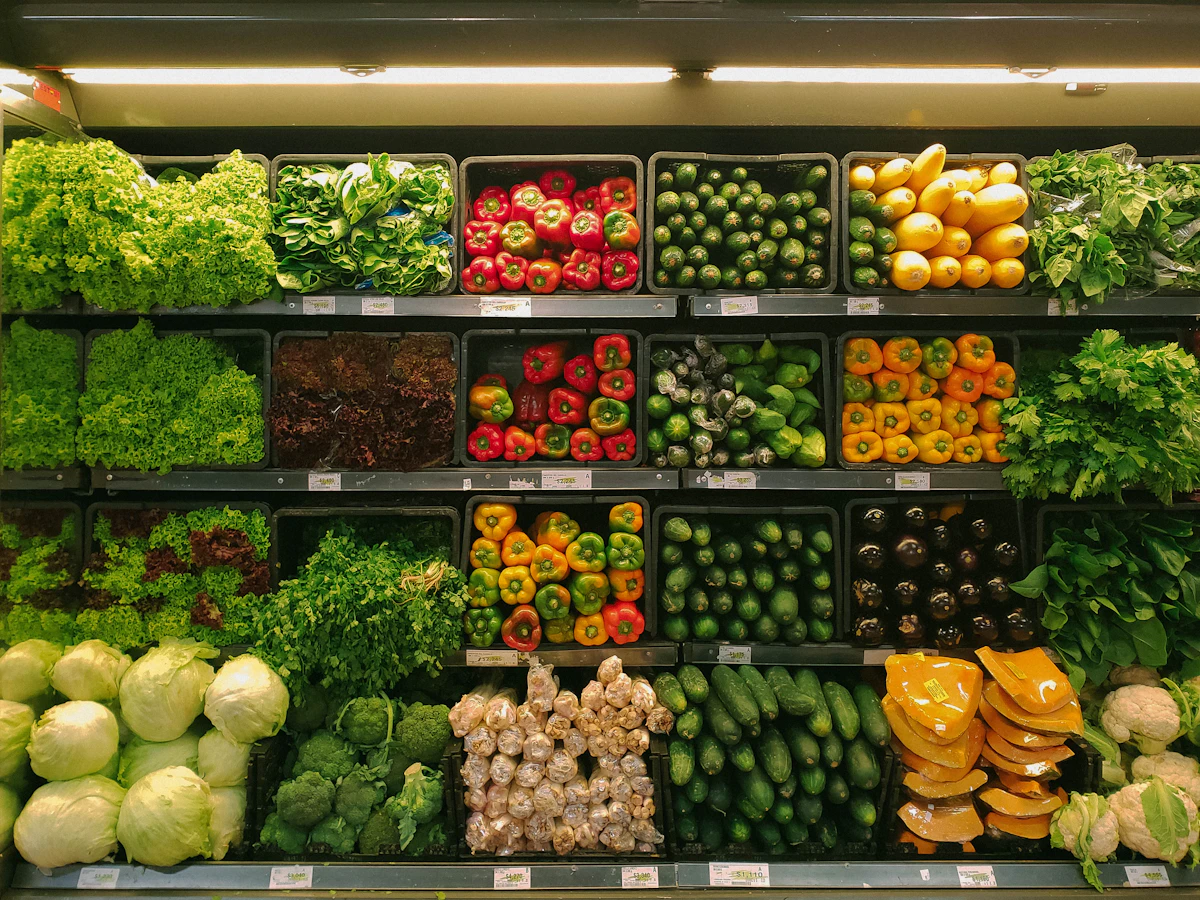
If you've ever looked at your grocery cart and wondered where to even begin eating healthier, you're not alone. The Standard American Diet (sometimes fittingly abbreviated as SAD) leans heavily on refined grains, added sugars, processed oils, and packaged convenience foods. The good news? Lasting change usually comes from a series of small, sustainable swaps — trading one familiar ingredient for a more nourishing version of itself. Here's a room-by-room, shelf-by-shelf guide to upgrading your pantry without feeling like you've given up the foods you love.
Breads and grains
White bread is made from flour that's been stripped of its bran and germ, which removes most of the fiber, vitamins, and minerals. The result is a product that digests quickly and offers little staying power.
Swap it for:
- 100% whole wheat bread — look for “whole wheat flour” as the first ingredient, not “enriched wheat flour.”
- Whole grain or sprouted grain bread — sprouted breads are easier to digest and pack more protein and fiber.
- Buckwheat bread — despite the name, buckwheat is naturally gluten-free and rich in minerals like manganese and magnesium.
The same logic applies beyond bread: swap white rice for brown rice, quinoa, or farro, and reach for whole grain or chickpea pasta instead of refined white pasta.
Sweeteners
Refined white sugar delivers a fast spike with no nutritional payoff. Natural sweeteners aren't a free pass — sugar is still sugar — but many bring trace minerals and a richer flavor, which often means you use less.
Swap it for:
- Pure maple syrup — contains antioxidants and minerals like manganese and zinc. Make sure the label says “100% pure.”
- Raw honey — less processed than the standard squeeze-bottle variety and carries trace enzymes and antioxidants.
- Raw cane sugar or coconut sugar — less refined alternatives with a deeper, more caramel-like taste.
- Dates and date paste — a whole-food sweetener that brings fiber along for the ride; excellent in baking and smoothies.
Fats and spreads
Many conventional mayonnaise and spread products are built on highly refined seed oils with long ingredient lists and added stabilizers.
Swap it for:
- Avocado oil mayonnaise — look for short ingredient lists (often just avocado oil, eggs, vinegar, and salt).
- Mashed avocado — works beautifully on sandwiches and toast in place of mayo or butter.
- Extra virgin olive oil — a great replacement for vegetable or canola oil in dressings and low-to-medium heat cooking.
- Grass-fed butter or ghee — whole, minimally processed fats for higher-heat cooking.
- Hummus or tahini — nutrient-dense spreads that add flavor and plant protein.
Snacks
The snack aisle is where a lot of refined flour, sugar, and salt sneaks in.
Instead of…
- Chips
- Candy
- Granola bars
- Flavored yogurt
Reach for…
- Air-popped popcorn, roasted chickpeas, or veggie sticks with hummus
- Fresh fruit, dates stuffed with nut butter, or a square of dark chocolate (70%+)
- A handful of raw nuts and seeds, or homemade energy bites
- Plain Greek yogurt with fresh berries and a drizzle of honey
Drinks
Beverages are one of the biggest hidden sources of added sugar in the SAD.
Instead of…
- Soda
- Sweetened coffee drinks
- Fruit juice
- Energy drinks
Reach for…
- Sparkling water with a squeeze of citrus or a splash of 100% juice
- Coffee with a little maple syrup and real milk or a quality non-dairy milk
- Whole fruit (you keep the fiber) or infused water
- Green tea or matcha for a gentler, steadier lift
Protein and convenience foods
Instead of…
- Processed deli meats
- Breaded, frozen nuggets
- Boxed mac and cheese
- Instant flavored oatmeal
Reach for…
- Roasted whole cuts of chicken, turkey, or beef you slice yourself
- Baked chicken or homemade versions with a whole grain coating
- Whole grain pasta with a simple cheese sauce made from real cheese
- Rolled or steel-cut oats with cinnamon and fresh fruit
How to make these swaps stick
- Start with one category. Pick bread or sweeteners this week — not the whole list at once.
- Read ingredient lists, not just front-label claims. Shorter lists with recognizable words are usually a good sign.
- Upgrade as you run out. When the white sugar is gone, replace it with maple syrup or honey rather than tossing everything at once.
- Expect a taste adjustment. Whole foods often taste less sweet and less salty at first. Give your palate a couple of weeks to recalibrate.
- Don't aim for perfect. A diet that's 80% whole foods and sustainable beats a “perfect” diet you abandon in a month.
Let AIM build meals around your swaps
Our AI-powered meal planner turns these whole-food choices into a week of family meals and a ready-to-shop grocery list.
Build my meal planThis article is for general informational purposes and isn't a substitute for personalized advice from a doctor or registered dietitian, especially if you have specific health conditions or dietary needs.