 Snack
Snack
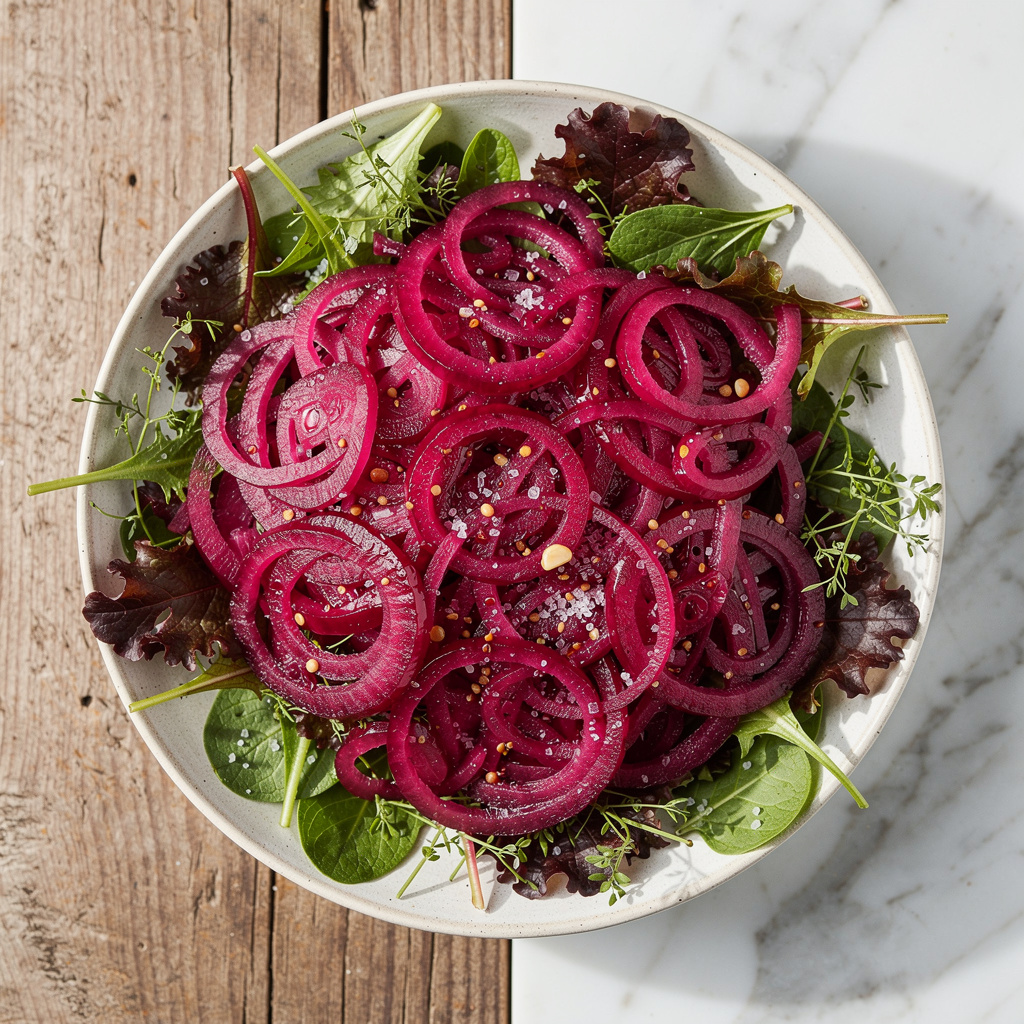
Pickled Red Onions
If using 2 medium onions, a 32 oz mason jar should be the correct size. If using more or fewer onions, scale the size of the jar up or down accordingly. Health Benefits: Red Onions Red onions are a type of allium vegetable rich in antioxidants, sulfur compounds, quercetin, and fiber that support overall metabolic and cardiovascular health. Their natural phytochemicals have been shown to help reduce inflammation and improve blood vessel function, while their fiber content can support steadier post-meal blood glucose. For individuals with diabetes, red onions may offer additional benefits because studies show that allium vegetables can help lower fasting blood glucose and improve insulin sensitivity, partly due to their flavonoid content and mild prebiotic effects that support gut health. When prepared as pickled red onions, they add bright flavor with minimal carbohydrates. They can be used in a variety of ways such as topping tacos, grain bowls, salads, avocado toast, sandwiches, roasted vegetables, grilled proteins, bean dishes, and even mixed into a salsa or slaw to boost flavor without spiking blood sugar. Nutrition Tip: Pickled Foods for Blood Sugar Control Adding pickled vegetables to meals can do more than boost flavor. The vinegar used in pickling provides acetic acid, which has been shown in clinical studies to slow gastric emptying and reduce the rapid rise in blood glucose that often follows high starch meals. This slower digestion allows carbohydrates to enter the bloodstream more gradually, supporting steadier post-meal blood sugar levels. Pickled foods such as red onions, radishes, cucumbers, carrots, and cabbage offer both flavor and functional benefits by adding a vinegar containing component to the meal. Adding a small amount of pickled vegetables is an easy strategy to brighten meals while supporting blood sugar control. Just keep in mind that pickled foods can be high in sodium, so moderation is key. References: American Diabetes Association. Healthy eating and diabetes: nonstarchy vegetables. ADA website. https://diabetes.org. Accessed March 17, 2026. Ghorbani A. Mechanisms of antidiabetic effects of flavonoid rutin. J Basic Clin Physiol Pharmacol. 2017;28(6):537-544. doi:10.1515/jbcpp-2016-0140. Are Pickles Bad for Diabetics? The Pros and Cons. Biology Insights. Published August 22, 2025. Accessed March 13, 2026. Vinegar Aids Diabetes and Insulin Resistance. Journal of Plant Medicines. Athens University Medical School randomized clinical trials. Accessed March 13, 2026.
Source: Live Tula Meal Planner
1 steps, about 5 minutes
-
01Place the thinly sliced red onions into a large heatproof jar. 2. In a measuring cup, combine the boiling water, white vinegar, apple cider vinegar, agave, and sea salt. Stir until the salt dissolves. 3. Pour the mixture over the onions, making sure they are fully submerged. 4. Seal the jar tightly and gently shake to combine. 5. Let the jar cool to room temperature, then refrigerate for at least 1 to 2 hours. 6. For best flavor, allow the onions to pickle overnight. Enjoy on sandwiches, tacos, salads, grain bowls, and more!
If using 2 medium onions, a 32 oz mason jar should be the correct size. If using more or fewer onions, scale the size of the jar up or down accordingly. Health Benefits: Red Onions Red onions are a type of allium vegetable rich in antioxidants, sulfur compounds, quercetin, and fiber that support overall metabolic and cardiovascular health. Their natural phytochemicals have been shown to help reduce inflammation and improve blood vessel function, while their fiber content can support steadier post-meal blood glucose. For individuals with diabetes, red onions may offer additional benefits because studies show that allium vegetables can help lower fasting blood glucose and improve insulin sensitivity, partly due to their flavonoid content and mild prebiotic effects that support gut health. When prepared as pickled red onions, they add bright flavor with minimal carbohydrates. They can be used in a variety of ways such as topping tacos, grain bowls, salads, avocado toast, sandwiches, roasted vegetables, grilled proteins, bean dishes, and even mixed into a salsa or slaw to boost flavor without spiking blood sugar. Nutrition Tip: Pickled Foods for Blood Sugar Control Adding pickled vegetables to meals can do more than boost flavor. The vinegar used in pickling provides acetic acid, which has been shown in clinical studies to slow gastric emptying and reduce the rapid rise in blood glucose that often follows high starch meals. This slower digestion allows carbohydrates to enter the bloodstream more gradually, supporting steadier post-meal blood sugar levels. Pickled foods such as red onions, radishes, cucumbers, carrots, and cabbage offer both flavor and functional benefits by adding a vinegar containing component to the meal. Adding a small amount of pickled vegetables is an easy strategy to brighten meals while supporting blood sugar control. Just keep in mind that pickled foods can be high in sodium, so moderation is key. References: American Diabetes Association. Healthy eating and diabetes: nonstarchy vegetables. ADA website. https://diabetes.org. Accessed March 17, 2026. Ghorbani A. Mechanisms of antidiabetic effects of flavonoid rutin. J Basic Clin Physiol Pharmacol. 2017;28(6):537-544. doi:10.1515/jbcpp-2016-0140. Are Pickles Bad for Diabetics? The Pros and Cons. Biology Insights. Published August 22, 2025. Accessed March 13, 2026. Vinegar Aids Diabetes and Insulin Resistance. Journal of Plant Medicines. Athens University Medical School randomized clinical trials. Accessed March 13, 2026.
No notes yet.